
Barrier & Liner Options for Paper Sacks
Paper alone keeps your product in. A barrier layer keeps moisture, oxygen, grease and aroma out — and it is the difference between a sack that arrives in condition and one that arrives caked, clumped or stale.
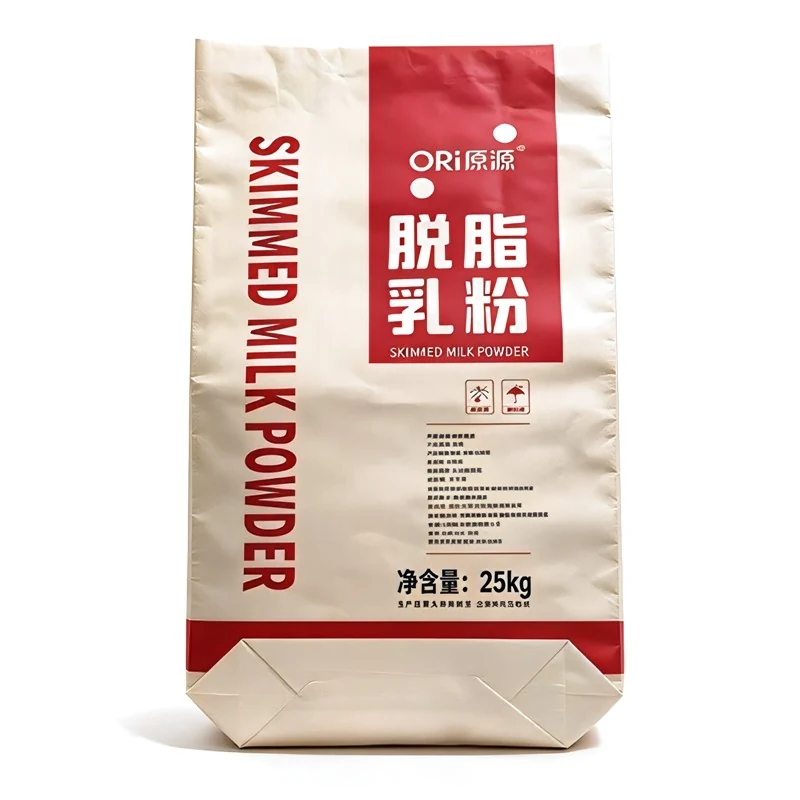
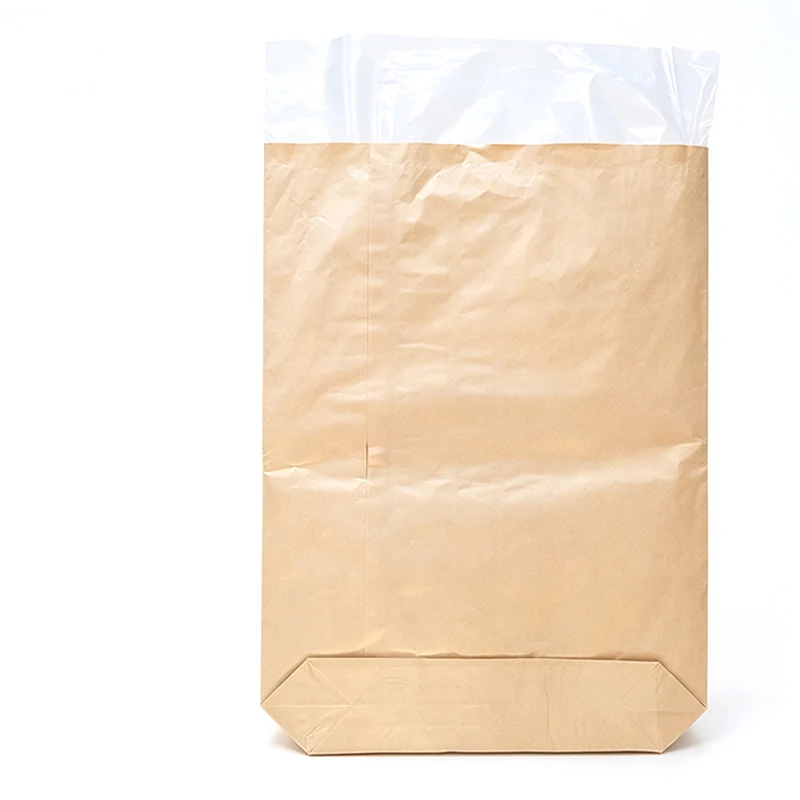
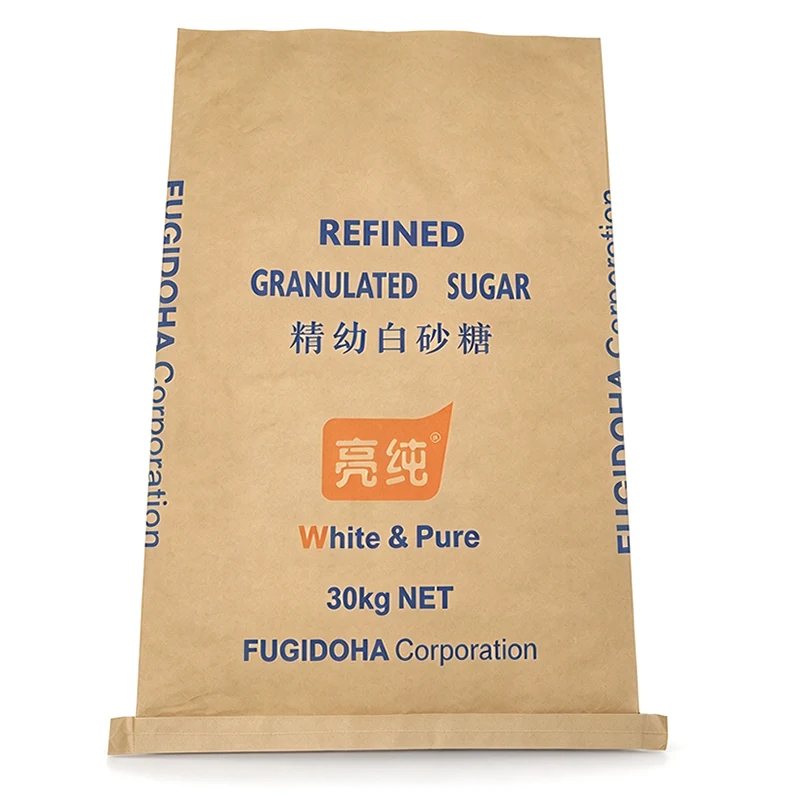
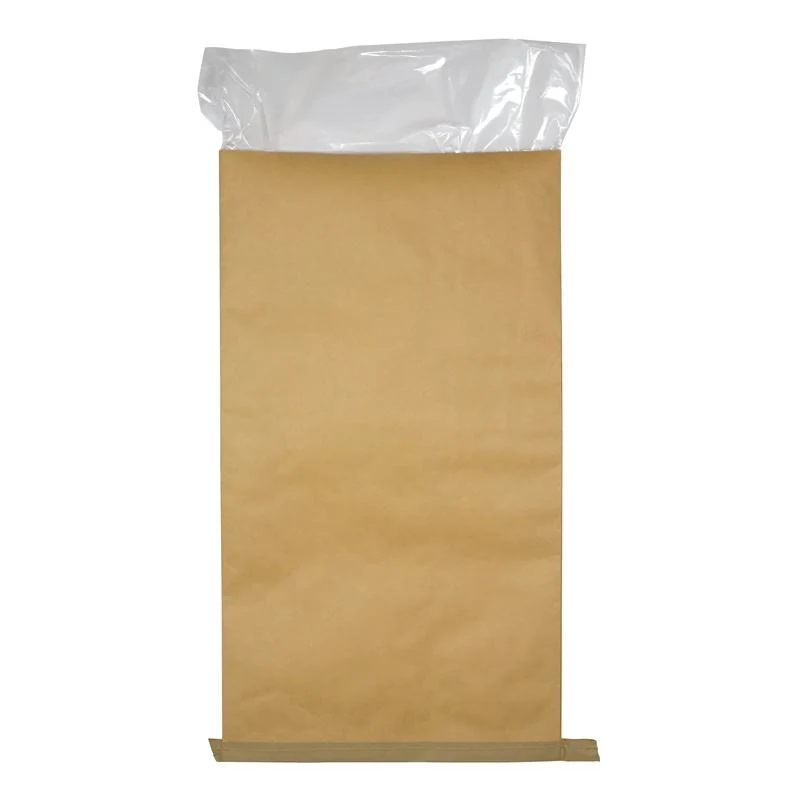
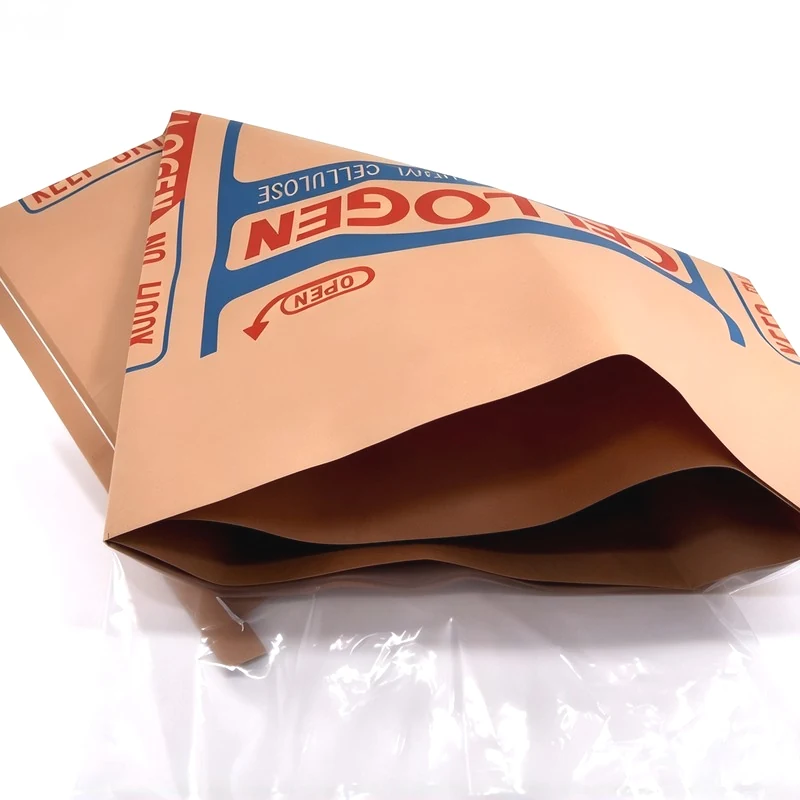
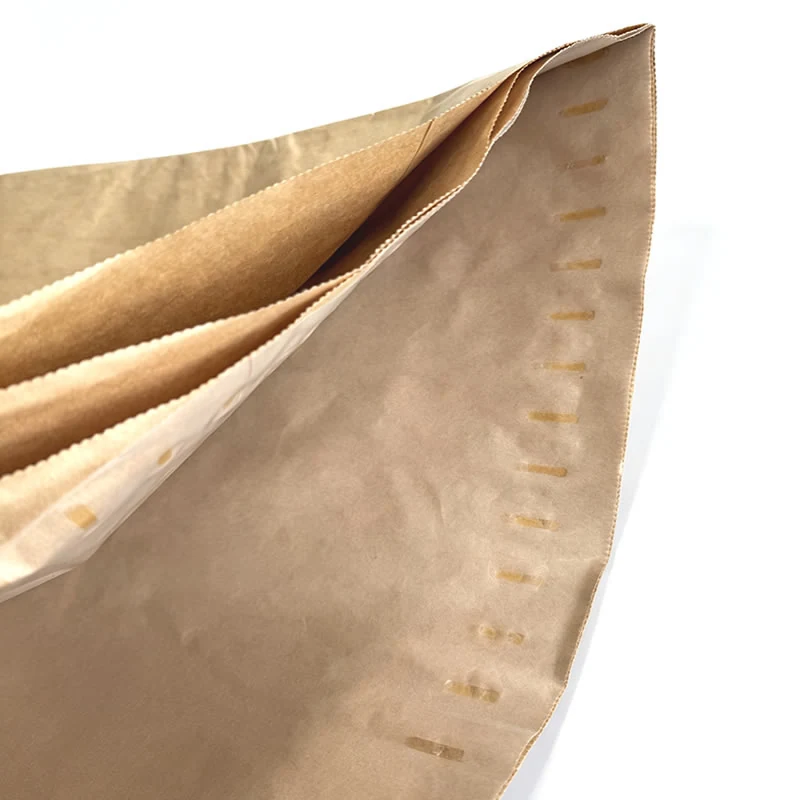
Which barrier do you actually need?
| Moisture barrier | PE film laminated to a ply. The usual choice for flour, sugar, cement and general powders in humid trades. |
|---|---|
| High moisture barrier | Aluminium foil laminate or metallised film. For dairy powders, dehydrated ingredients and long sea transit into humid climates. |
| Oxygen and aroma barrier | Aluminium foil laminate or high barrier film. Coffee, cocoa, milk powder, flavourings. |
| Grease and oil resistance | Grease resistant inner ply, or a PE film ply. For fatty and oily products, soap powders and some chemicals. |
| Extra strength | PP lamination of the outer ply adds wet strength and tear resistance where handling is rough. |
| Breathable | Micro perforations or an uncoated paper ply, for products that must release moisture instead of trapping it. |
| Food contact | Food grade plies, adhesives and films with the appropriate food contact declarations. |
Storage and handling
Even a barrier lined paper sack should be stored on pallets, off a concrete floor and away from damp walls. Paper takes up moisture from the air and loses strength as it does so. Keep the bags in their stretch wrap until they are used, and rotate stock — the barrier performs best while the seal is intact.
FAQ
Will a PE lined paper sack survive a container crossing the equator?
Usually yes for a powder that is not highly hygroscopic. For dairy powders and similar products we would normally recommend an aluminium foil laminate plus desiccant, and we would advise on pallet configuration and container lining. Tell us the product and the route.
Does the barrier layer complicate recycling?
It does — a mixed paper and plastic structure is harder to recycle than plain paper. If recyclability is a requirement in your market, tell us early. Sometimes the answer is a thinner barrier plus a shorter route to market; sometimes it is a plain paper sack with a different closure. We will tell you honestly what is achievable.
Can I combine a barrier ply with a valve closure?
Yes. Barrier plies and valve constructions work together, but the film thickness affects the stiffness of the valve patch, so both have to be specified together. Send us the product and the filling machine details.
Tell us your product and destination, we will specify the barrier
Moisture, oxygen, grease or aroma — name the problem and we will propose the ply structure that solves it at the lowest sensible cost.
- Emailsales@unisunpack.com
- Tel / WhatsApp+86 15825665852
- FactoryWenzhou, Zhejiang Province, China 325000
- Response timeWithin 24 hours, Monday to Saturday